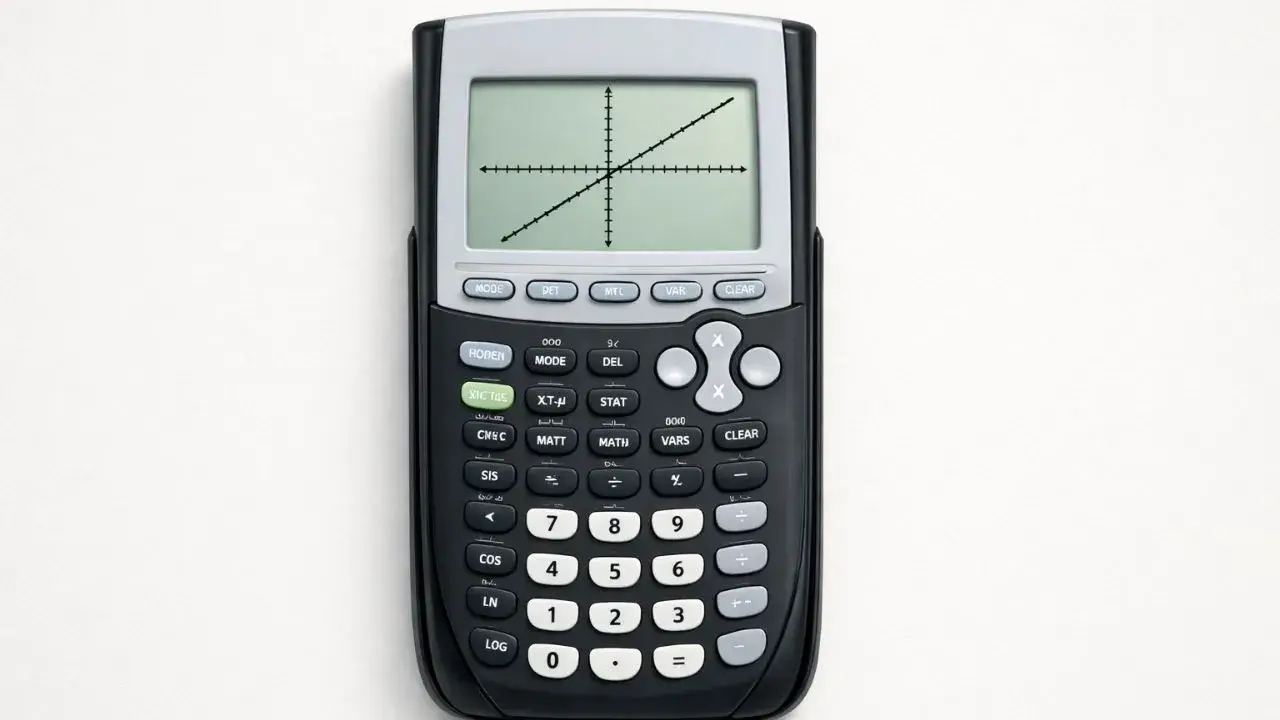
Graphing linear functions is a basic but essential skill in algebra. While many students understand linear equations on paper, they often struggle when trying to graph them correctly on a TI 84 calculator. Common problems include graphs not appearing, lines looking incorrect, or confusion about what the graph represents.
These issues usually happen because students are unsure how linear functions should be entered and displayed on the calculator. In this guide, you will learn how to graph linear functions on a ti 84 graphing calculator online step by step, using clear explanations that students and teachers can rely on.
What You Need Before Starting
Before graphing linear functions, make sure the calculator is set up properly.
TI 84 Calculator Compatibility
This guide applies to:
- TI 84
- TI 84 Plus
- TI 84 Plus CE
All these models graph linear functions in the same way.
Required Calculator Settings
Before starting:
- Calculator must be in Function mode
- Angle mode should be set correctly
- Old equations should be cleared if not needed
These settings help ensure the graph displays accurately.
Math Prerequisites
You should understand:
- Linear equations in the form y = mx + b
- Meaning of slope and y-intercept
- Basic graph interpretation
No advanced math knowledge is required.
How to Use the TI-84 Calculator
The TI 84 calculator graphs linear functions by converting an equation into a straight line on the coordinate plane. When a linear function is entered correctly, the calculator displays a straight line that shows how y changes as x changes.
Understanding how to move between the equation entry screen and the graph screen helps students see how equations translate into graphs.
Step-by-Step Solution Using TI 84
We will graph the linear function:
y = 2x − 1
Step 1: Open the Equation Entry Screen
- Press Y=
- Make sure the cursor is next to Y₁
This is where linear functions are entered.
Step 2: Enter the Linear Function
- Type
2X - 1 - Press ENTER
The function is now stored.
Step 3: Display the Graph
- Press GRAPH
- A straight line should appear on the screen
If the graph is not visible, the window may need adjustment.
Step 4: Reset the Graph Window
- Press ZOOM
- Select 6:ZStandard
This displays the graph clearly in most cases.
Step 5: Identify Key Features
- Observe where the line crosses the y-axis (y-intercept)
- Notice whether the line rises or falls (slope)
These features help interpret the linear function.
Step 6: Trace the Graph
- Press TRACE
- Use arrow keys to move along the line
The calculator shows exact x and y values at each point.
Common Mistakes and How to Fix Them
Mistake 1: Entering the Equation Incorrectly
Why it happens:
Students forget the minus sign or use the wrong variable key.
Fix:
Double-check the equation and use the correct variable key.
Mistake 2: Graph Not Appearing
Why it happens:
The graph window is not set properly.
Fix:
Reset the window using the standard zoom option.
Mistake 3: Multiple Lines on the Screen
Why it happens:
Old equations are still active.
Fix:
Clear unused equations in the Y= screen.
Using the Online TI-84 Tool
The same steps can be followed using the TI 84 Calculator Tool available on this website. The online tool allows students to enter linear functions, graph them instantly, and trace values accurately.
Graphing linear functions on a TI 84 calculator becomes simple when equations are entered correctly and graph settings are checked. Most issues occur due to incorrect input or window configuration rather than math errors. By following clear steps and using trace tools, students can graph linear functions accurately and confidently.
- How to Evaluate Functions on TI 84 Calculator
- How to Use Graph Mode on TI 84 Calculator
- How to Read Graph Results on TI 84 Calculator
Yes, but it is easier to analyze one function at a time.
Yes, this graphing method is commonly taught in classrooms.
A linear function always graphs as a straight line.
This usually happens due to incorrect equation entry or window settings.









3 thoughts on “How to Graph Linear Functions on TI 84 Calculator”